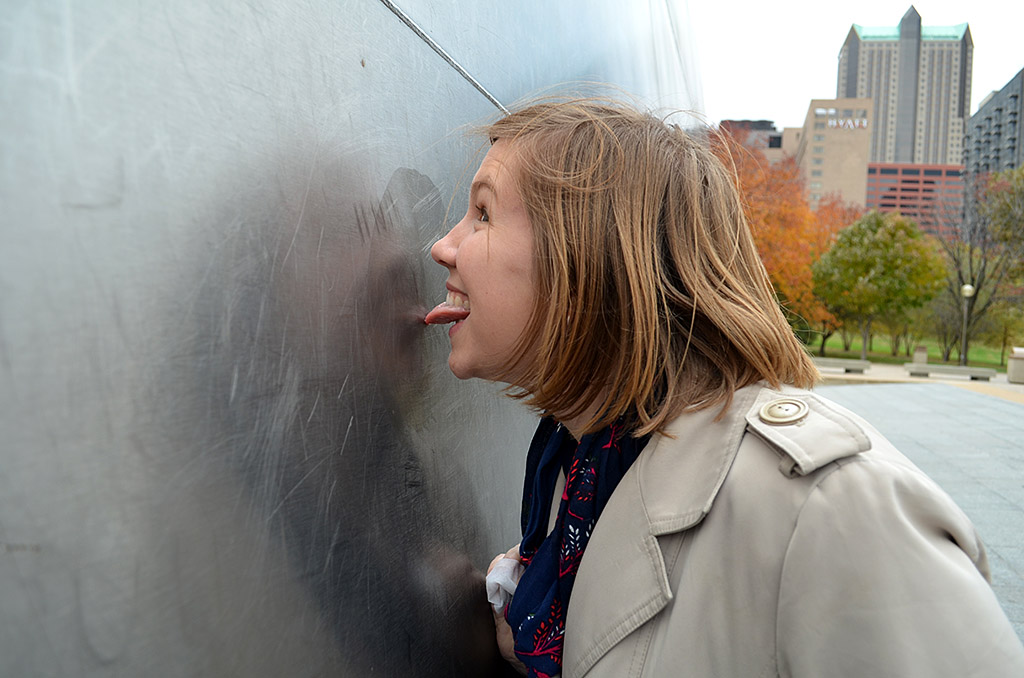
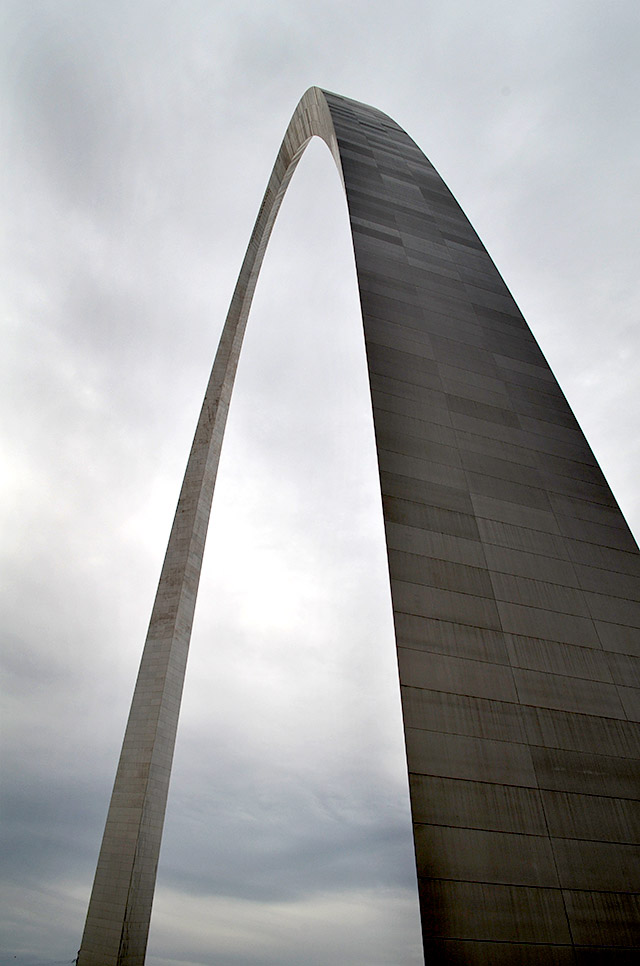
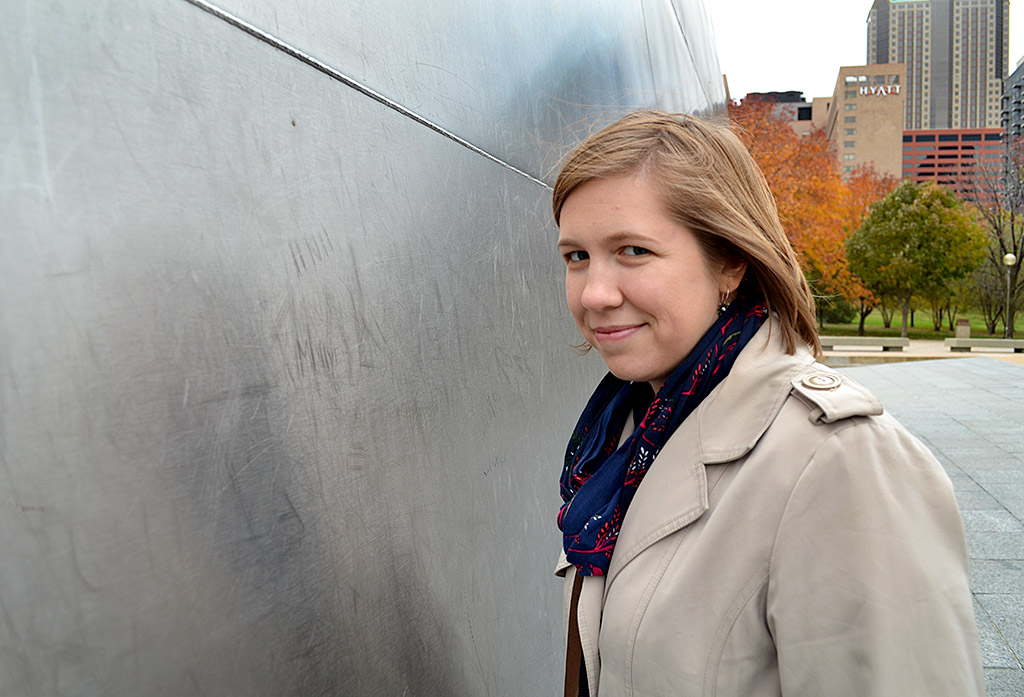
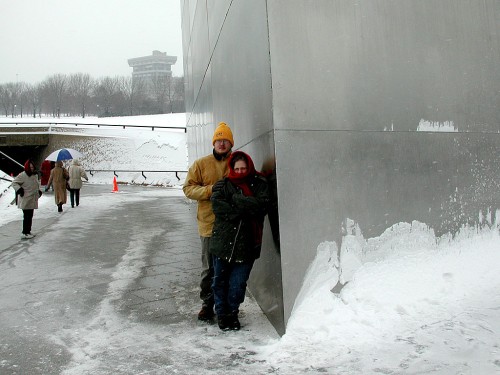
 I tell newcomers to St. Louis that it is a tradition that first-timer visitors have to lick the arch. I elaborate that in the summertime, entrepreneurs sell alcohol wipes to the germphobes and in the wintertime they sell cups of hot chocolate to chug so your tongue doesn’t stick to the frigid stainless steel.
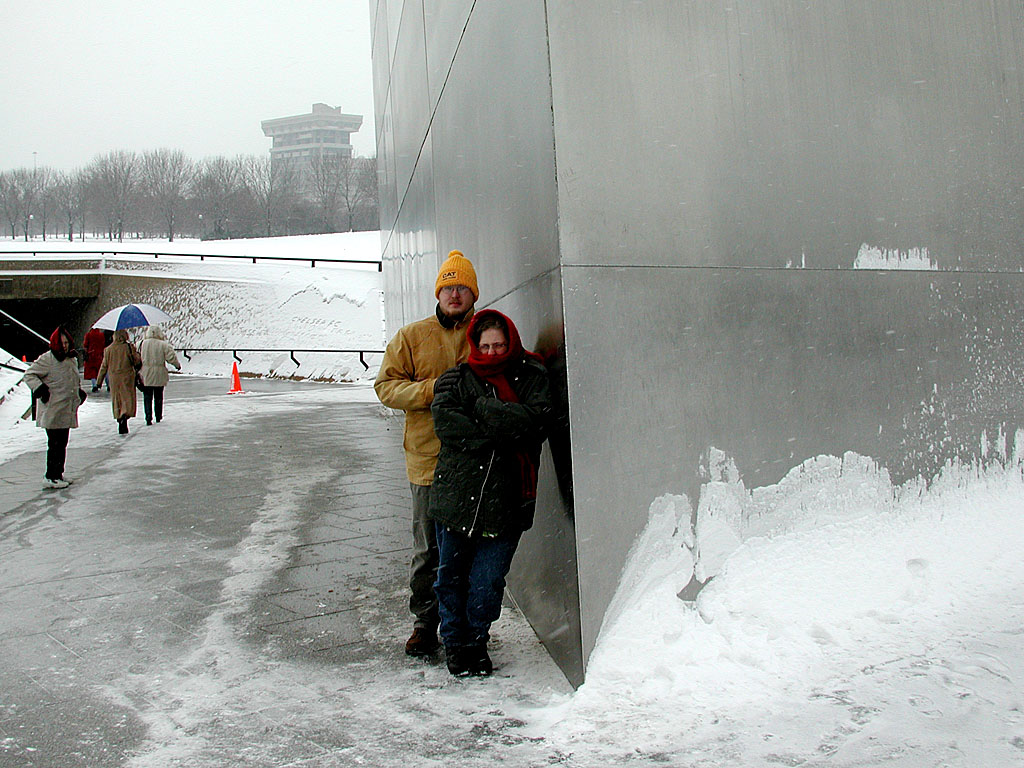
I tried that at Christmas in in 2000 when Son Matt’s newly-minted wife Sarah joined us at Brother Mark’s for a Christmas celebration. She had been around the Steinhoffs long enough to be inoculated against that kind of foolishness. (Click on the photos to make them larger.)
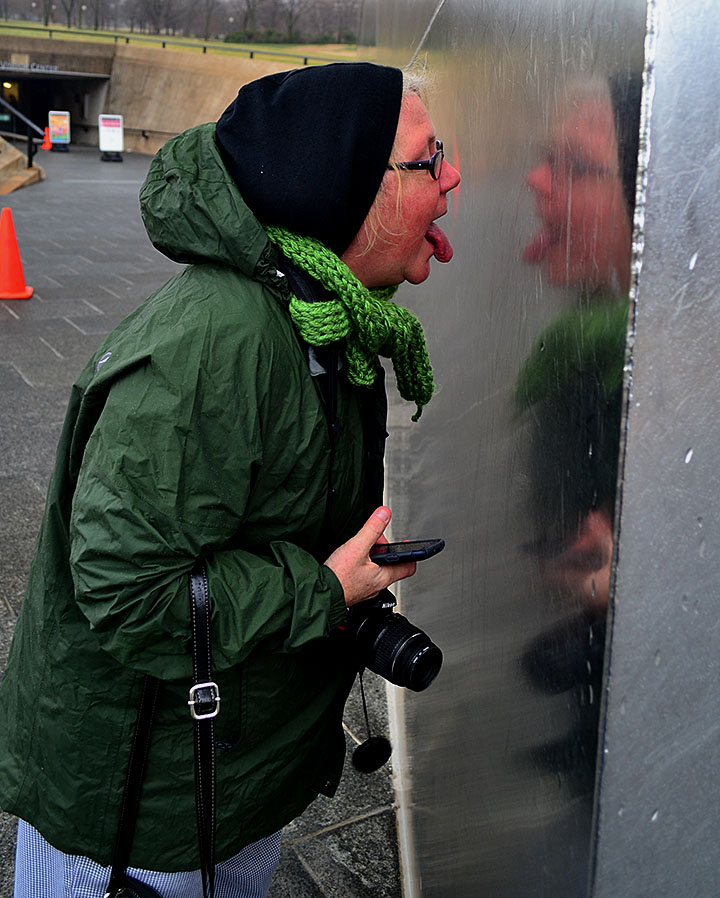
Friend Jan almost bit
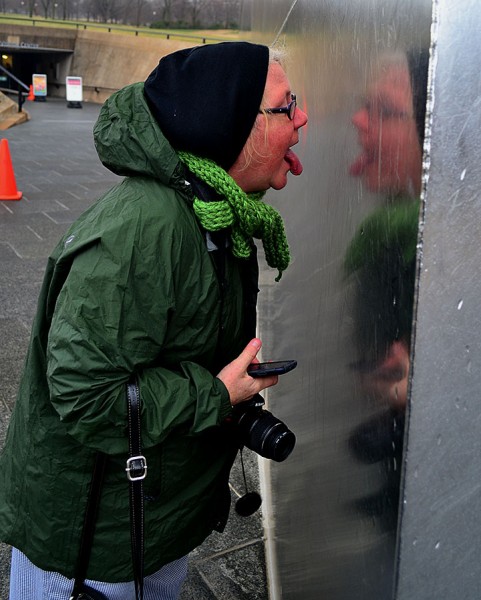 I came very close to convincing Friend Jan to do The Lick, but she remembered who she was with at the last minute and backed out.
Young and gullible Curator Jessica
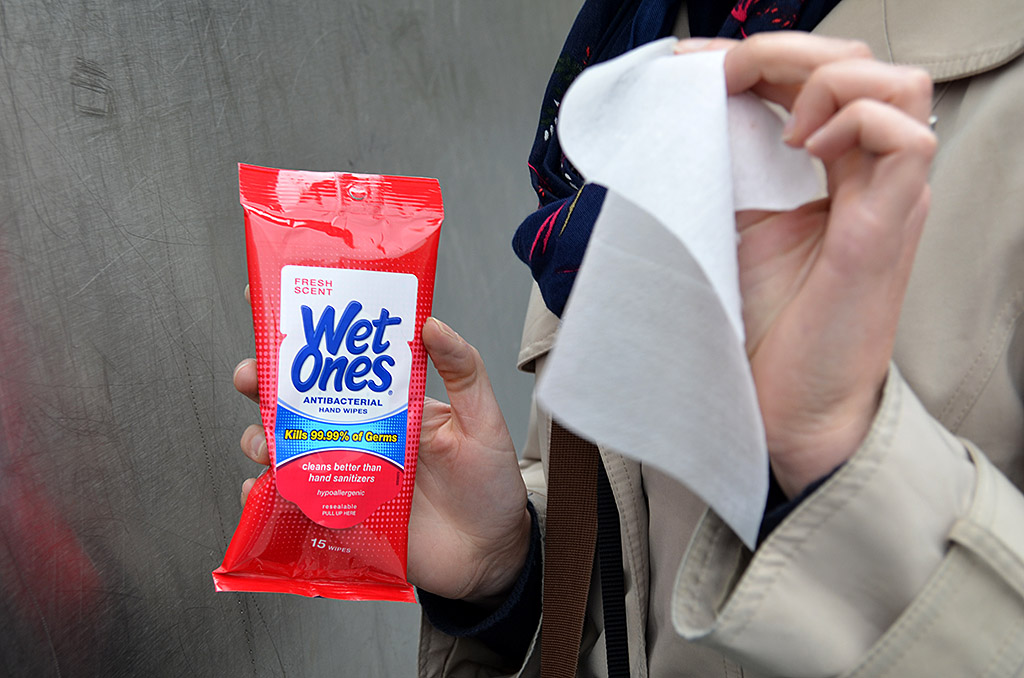
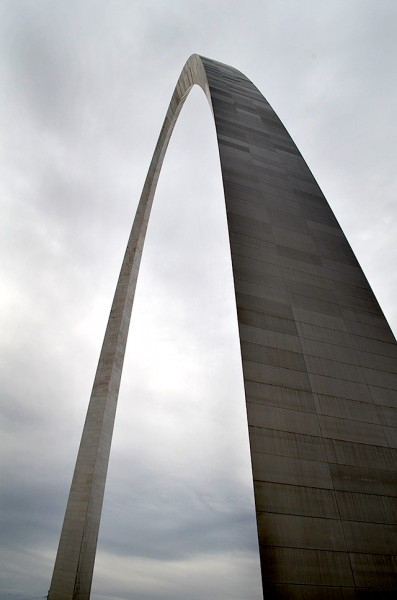 It was time to get Curator Jessica up to St. Louis to catch a plane back home to Ohio. Over the kitchen table at Brother Mark’s, I asked if he had any alcohol wipes she could use at The Arch in the morning. Without missing a beat, he said he could provide some, which would save her bunch of money over the ones the vendors sold to tourists.
The hook was set.
On the way to Cahokia Mounds the next morning, I said, “Drat! I forgot to get the wipes from Mark before we left.”
“No problem,” she responded, “I was going to ask you to stop at a Walgreens on the way. I can get some then.”
As soon as she left the car, I called Wife Lila in Florida. “Guess what Jessica’s going to do?” I asked.
“You didn’t?”
“Yep,” I did.
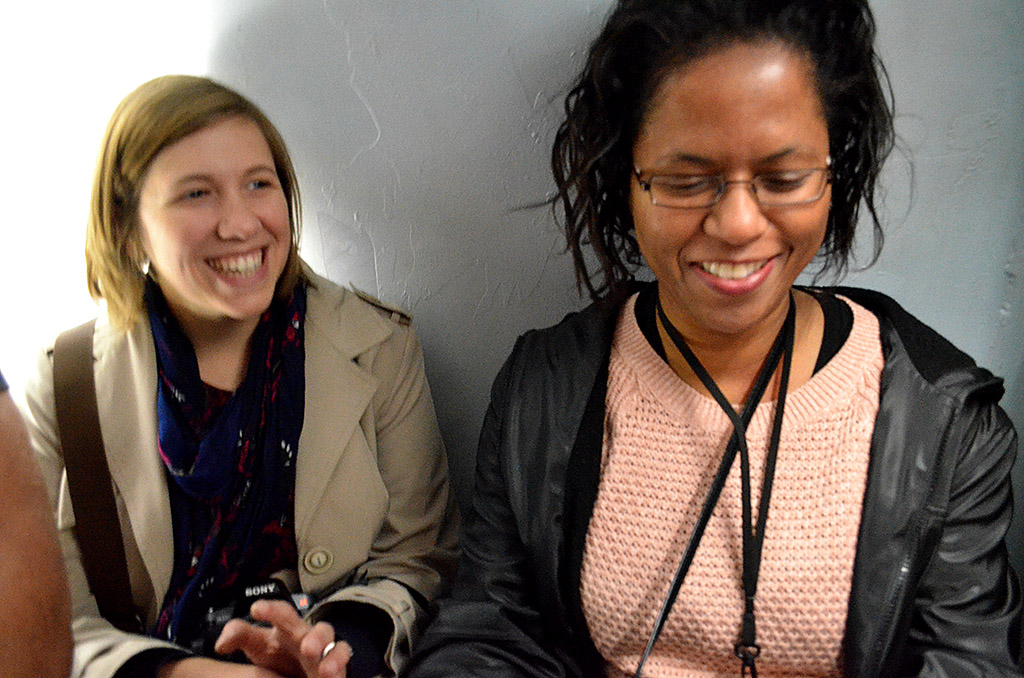
I get The Look
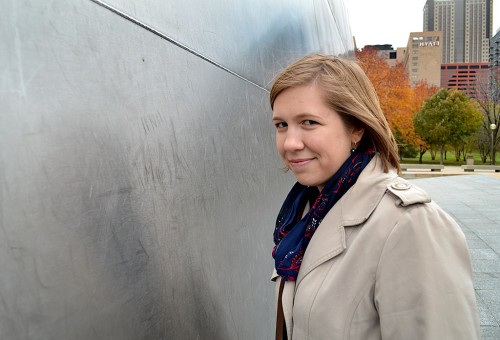 When we arrived at the arch, a group of high school kids were standing on their hands with their feet on the stainless steel. “You might want to lick a different section,” I suggested.
In return, I got The Look, something common to all the women in my life.
Getting down to business
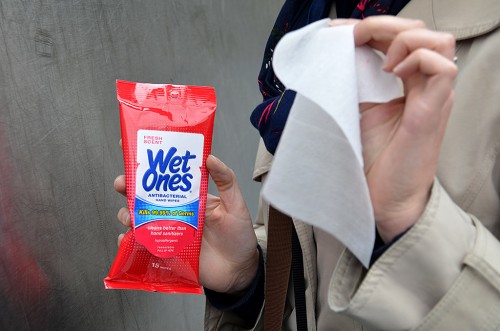 It’s time to pull out the wipes. “All they had was a big package,” she said.
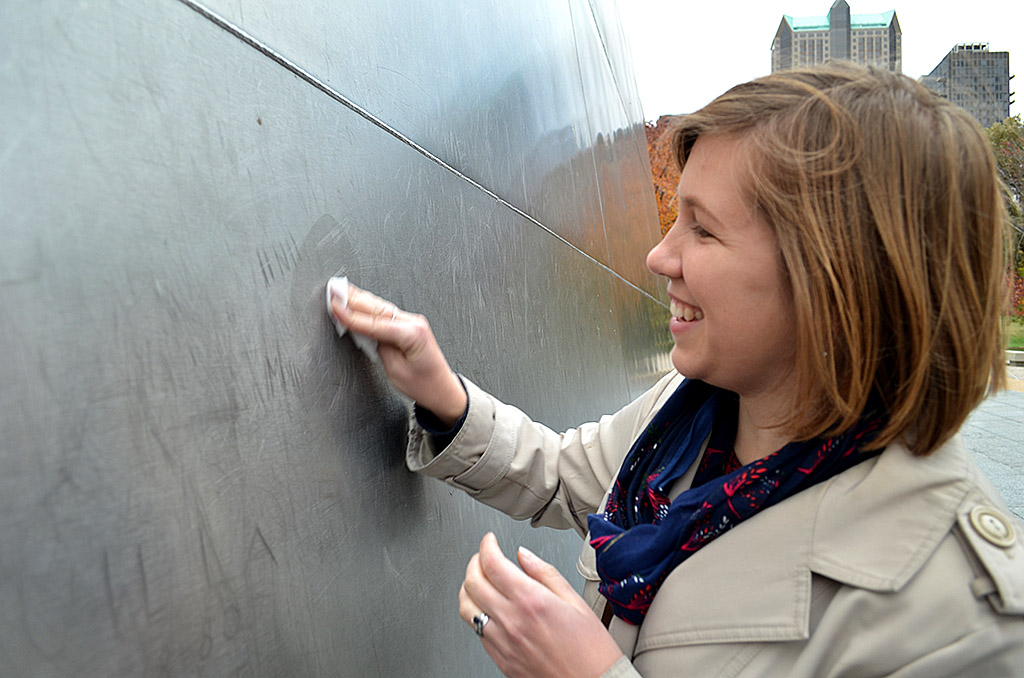
Swabbing down the Arch
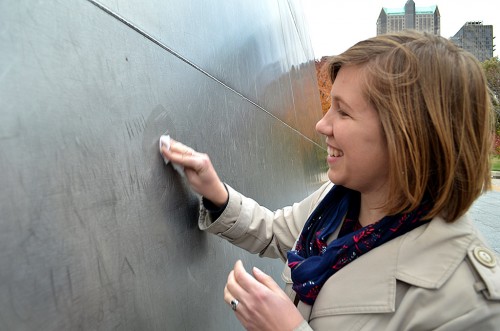 Miz Jessica makes sure that no germs are left.
Holy Cow! She did it
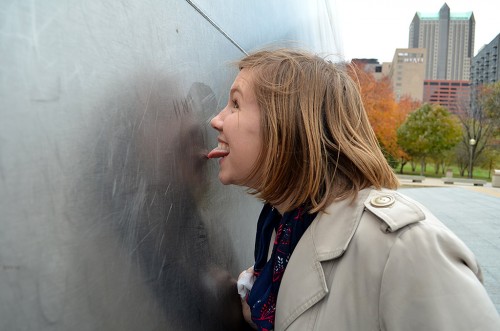 Contact is made. Mission accomplished.
That Tram sure is small
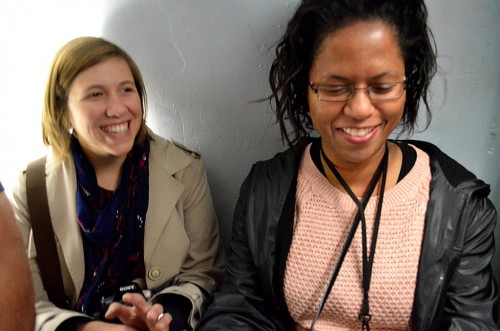 When Jan was here, we ran short on time and she wasn’t crazy about climbing into the tram that carries you and four of your soon-to-be closest friends to the top. You can see why here.
We watched a movie on the building of The Arch, something that Jessica’s engineering prof husband would have appreciated. I tried to get her to buy him a copy of the movie in the gift shop, but she saw how much it cost and said, “I love him, but not THAT much.”
When it came time to board the tram, she was less claustrophobic than I was. Of course, she’s about half the size of me and the other guy who was in there with two other women. You develop friendships in a hurry when you’re crammed into a tin can like that.
“You know, you and I are sitting closer than I got with my first four girlfriends,” I told the woman across from me. Funny how it didn’t take her long to exit when the door opened.
On the way down, we met a guy who painted such a succulent picture of the food at Pappy’s Smokehouse that we made a beeline there as soon as we could get back to the car. Like I said, quick friendships.
We made it to the top
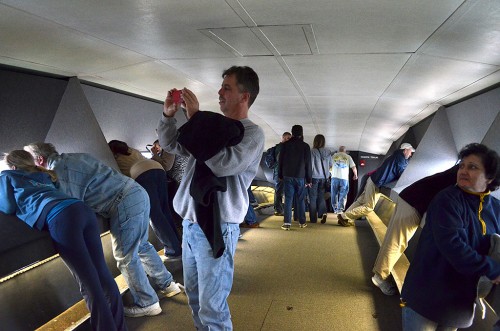 After what didn’t feel like a long time at the rate of about 3.86 mph, we made it the 630 feet (7,560 inches, the website translates) to the top of the structure. It seemed like lots of folks were sharing our space, but it’s designed to hold up to 160 visitors. The Gateway Arch website has lots of interesting factoids.
Leaning out feels strange
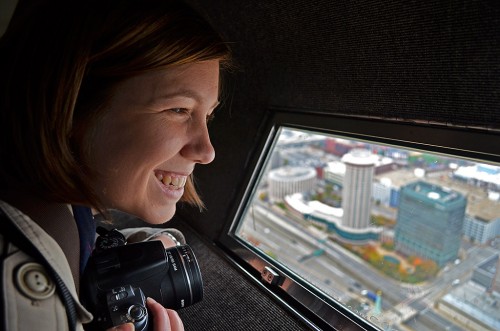 Miz Jessica wasn’t bothered by the tight quarters in the tram, but she has a touch of fear of heights, so she wasn’t sure how she’d feel in The Arch. I warned her that leaning out to look at the window can feel like you’re going to cause the thing to sway.
A tour guide assured us there was nothing to worry about: it was designed to sway as much as 18 inches, nine inches to either side. I tried to convince Jessica to get the visitors to run from side to side to see if it would start it swaying, but she nixed the idea.
That was probably just as well she didn’t waste her effort. The guide said that it only sways about 1.5 inches in a 50 mph wind and will, in theory, survive a major tornado and earthquake.
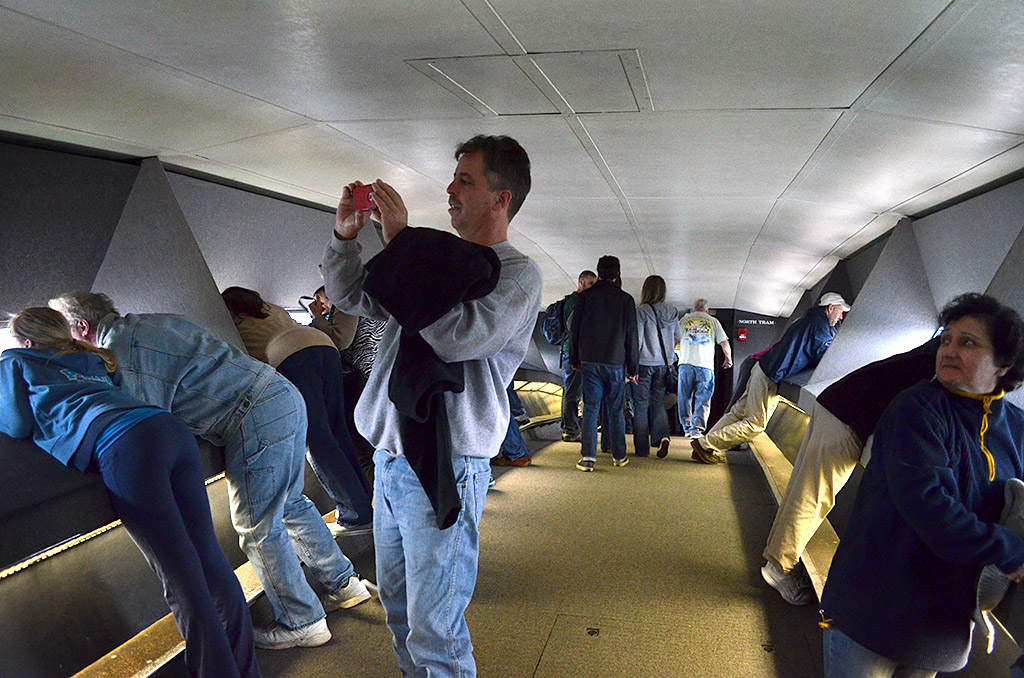
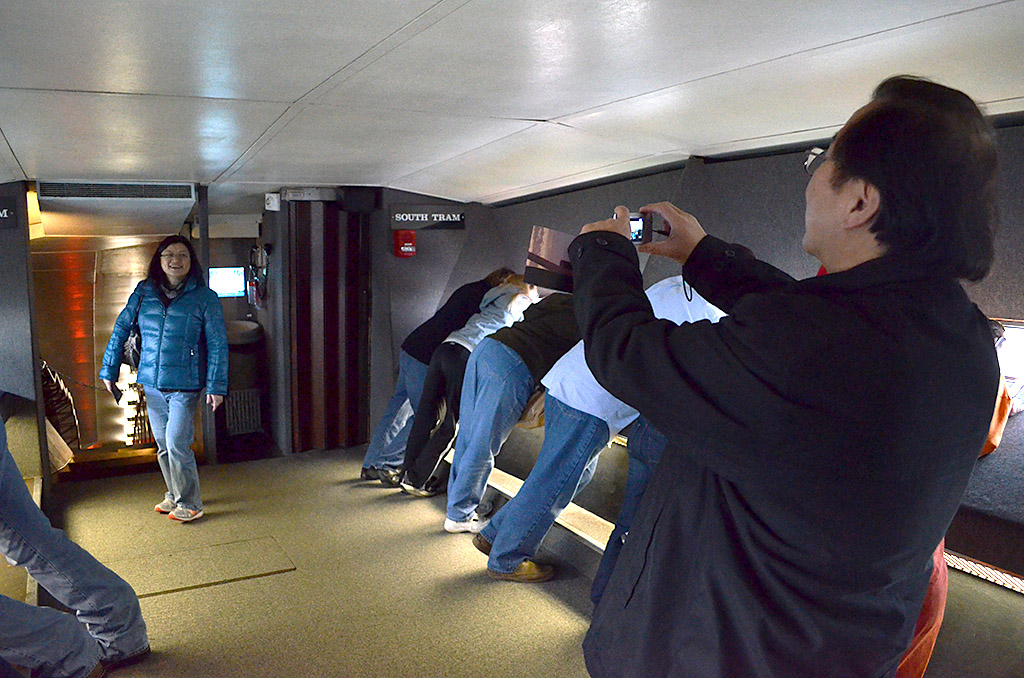
A friendly group
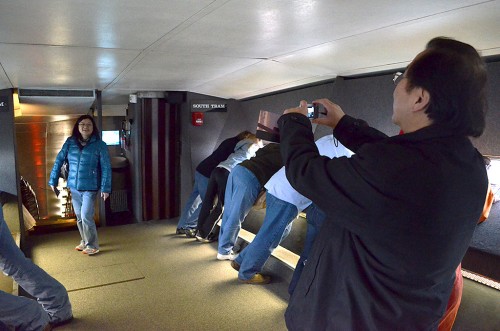 Everybody on the top was friendly, with lots of people volunteering to take pictures of groups. Maybe the knowledge that you might be trapped in a tram with your neighbor if it jams, something that happened quite a few times in the early days of operation, puts you on your friendliest behavior.
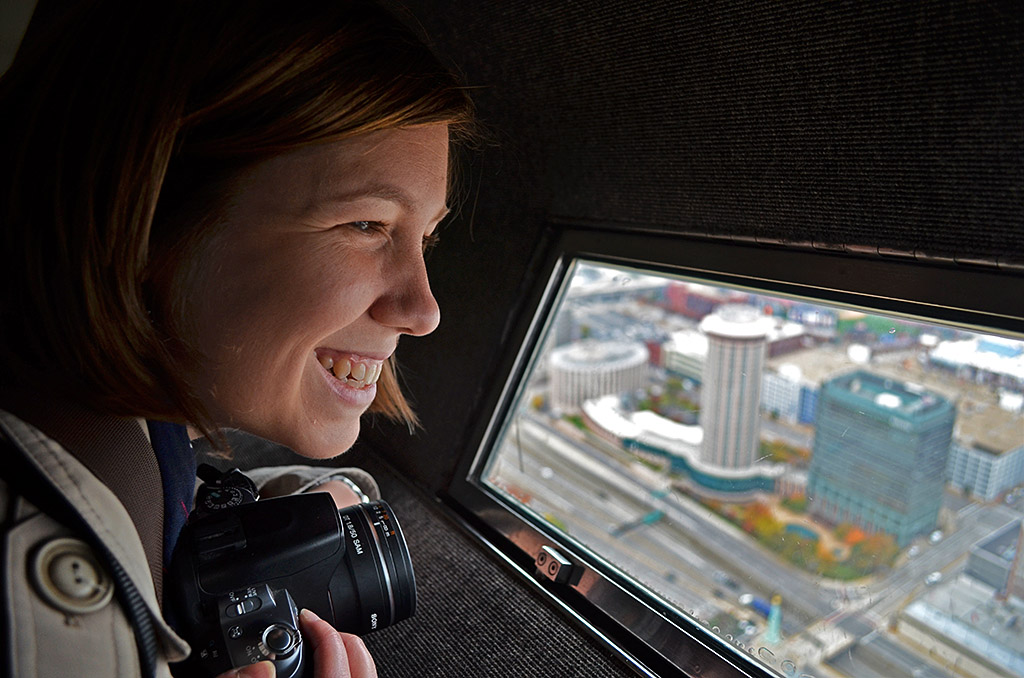
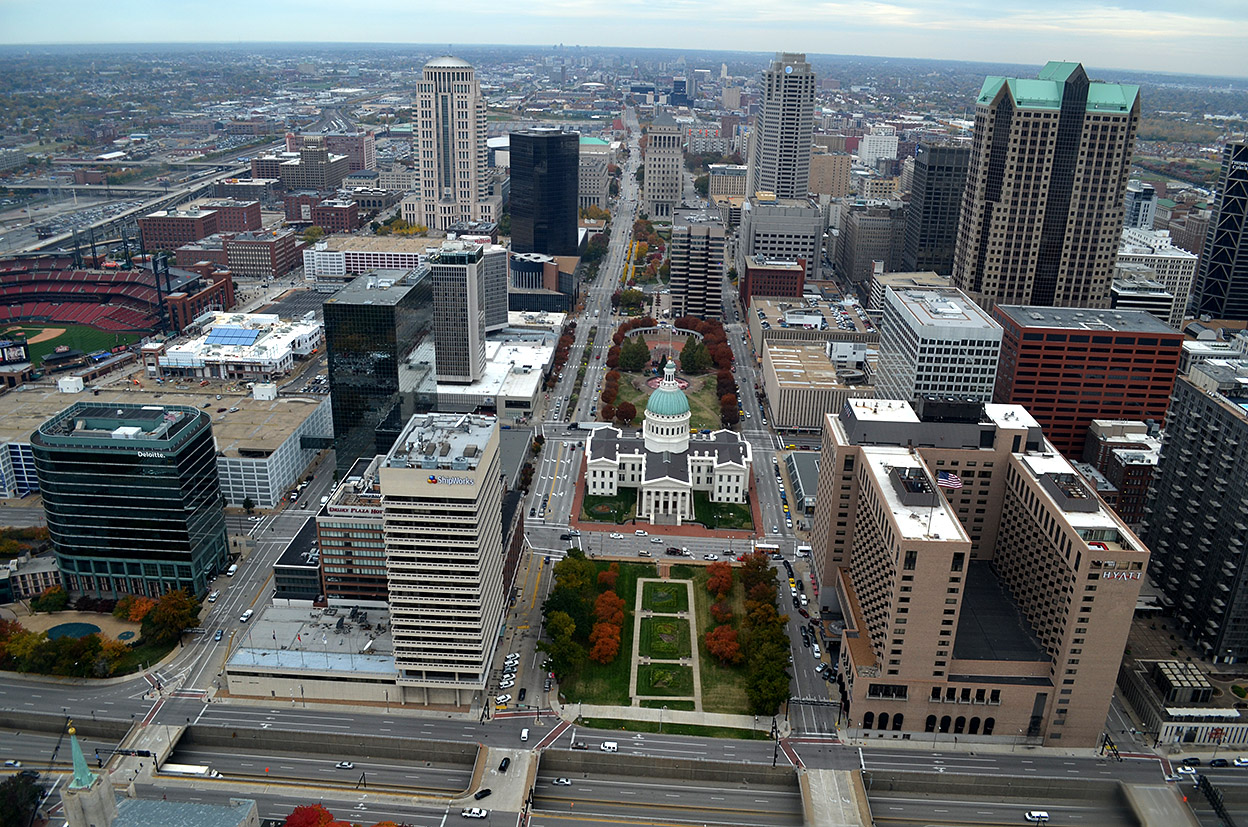
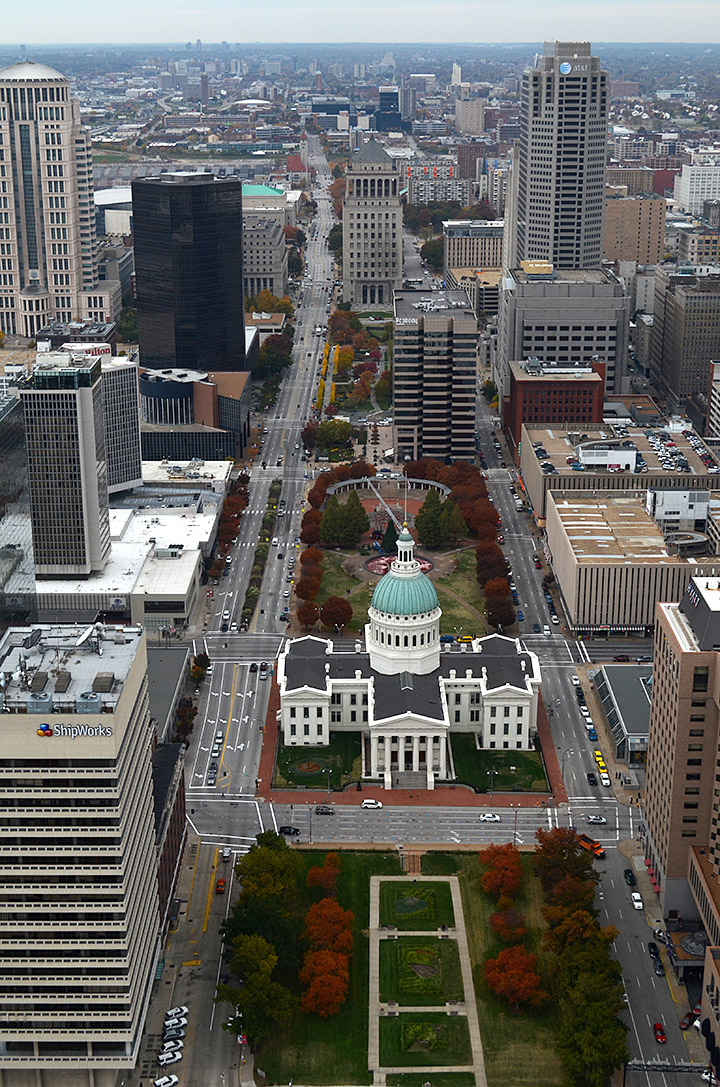
View to the west
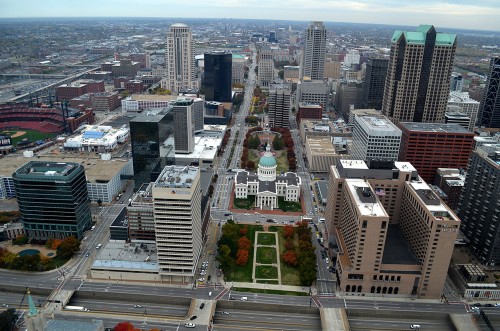 We were lucky to be there on a fairly clear day when visibility could have been as much as 30 miles. The green-domed building is the Old Courthouse, which is part of the Jefferson National Expansion Memorial.
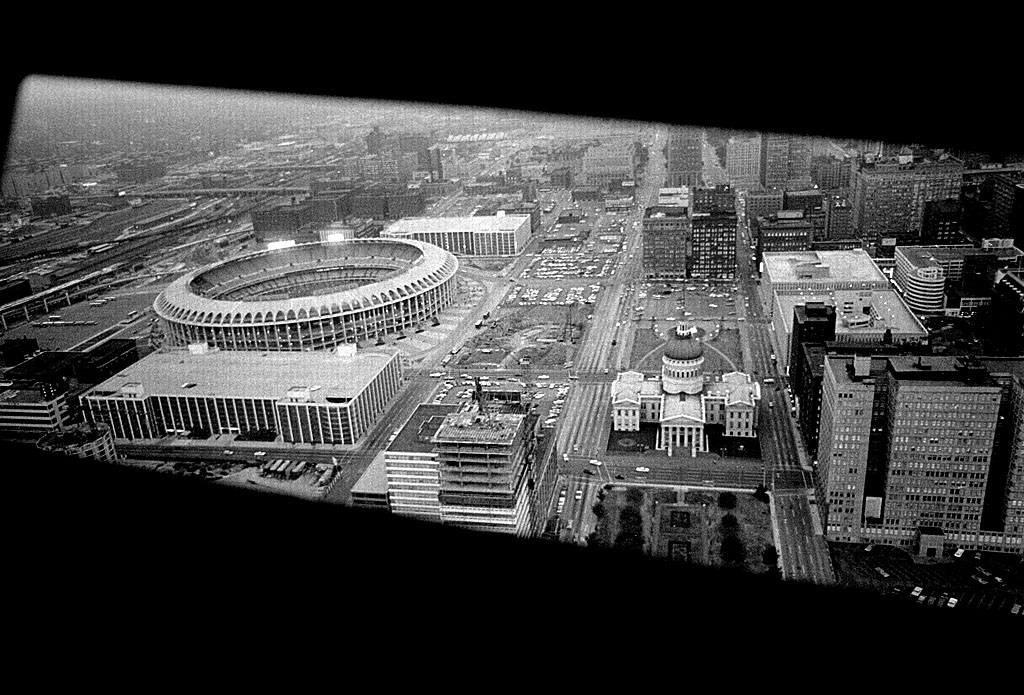
A lot of new buildings since 1967
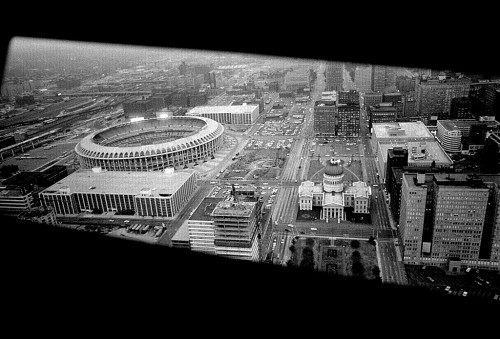 Compare this photo I took in 1967 with the one today. There has been a lot of new construction over the years.
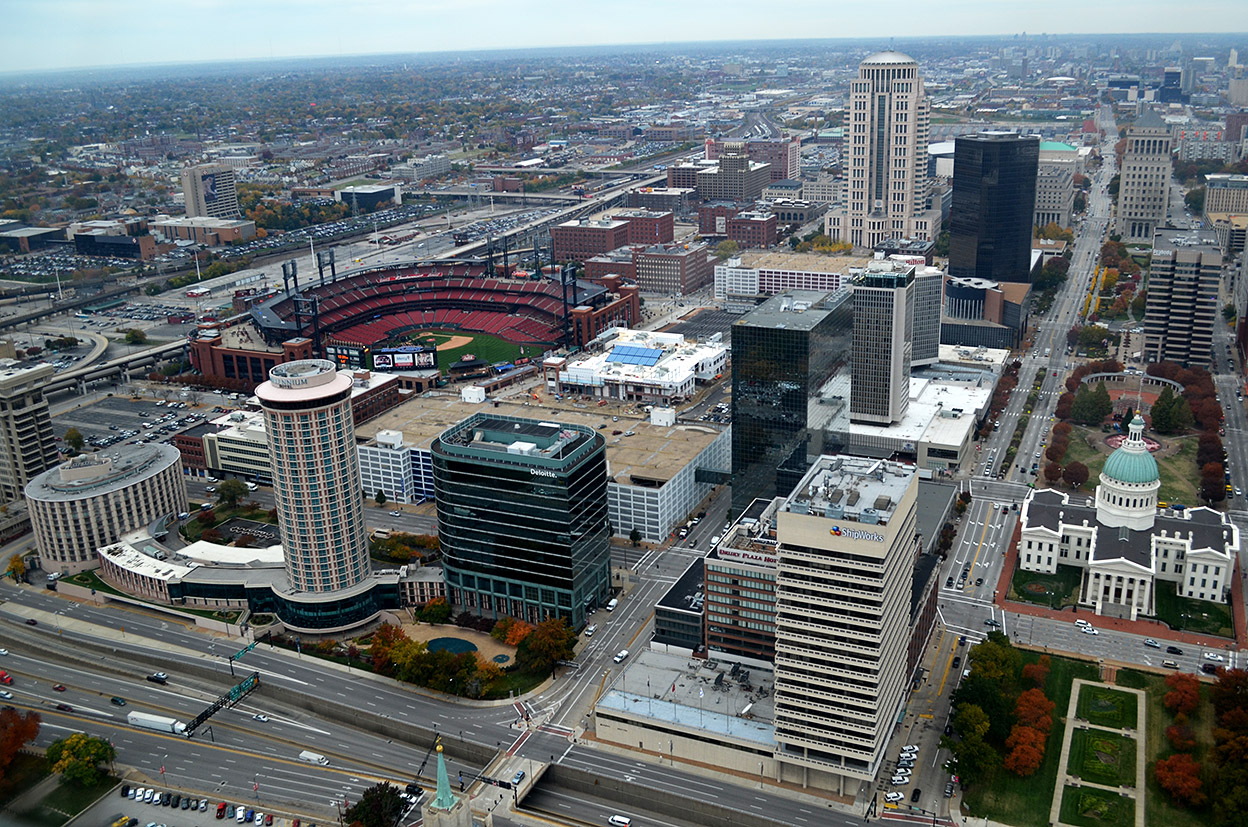
Ballpark to the southwest
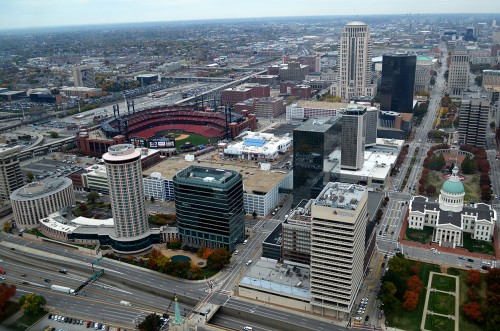 The round, reddish structure to the southwest is Busch Stadium.
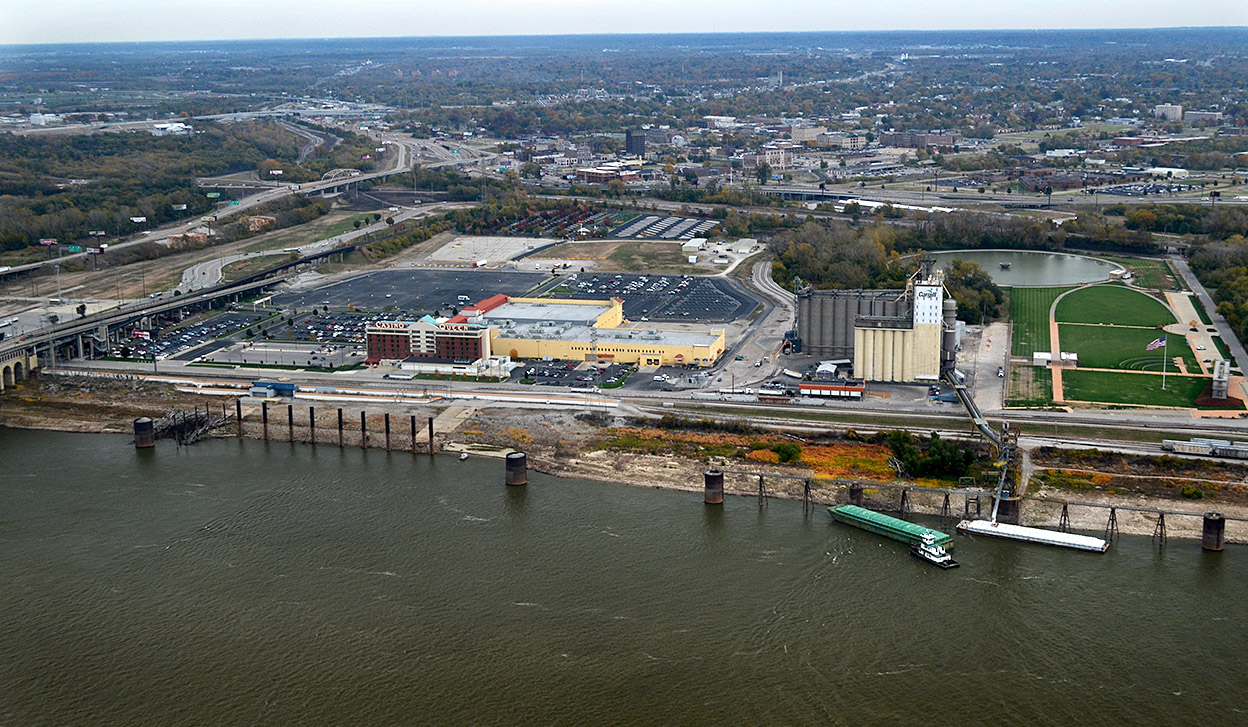
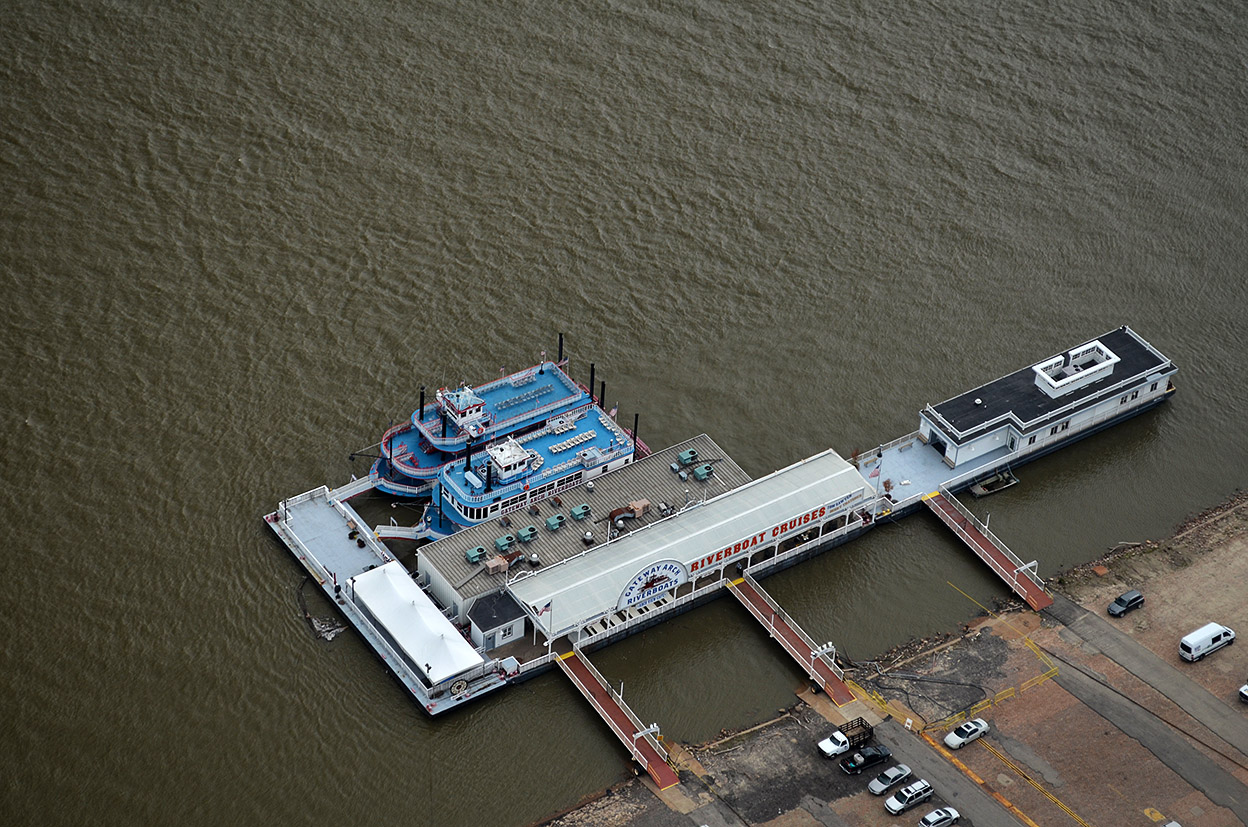
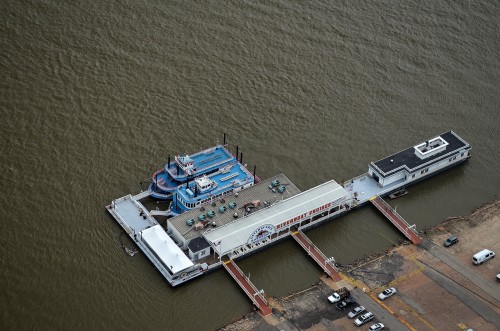
Yellow building is the Casino Queen
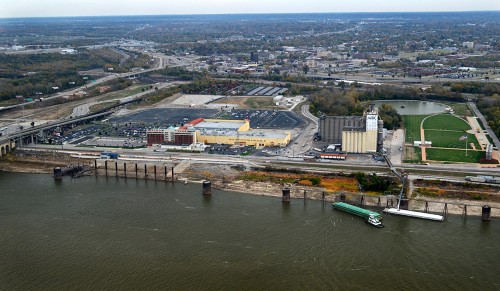 The yellow building on the Illinois side of the Mississippi River is the Casino Queen. If you strain your eyes to the horizon, you might be able to see Monk’s Mound at Cahokia Mounds State Historic Site. (Or it might just be the massive landfill to the west of it.)
Gateway Geyser
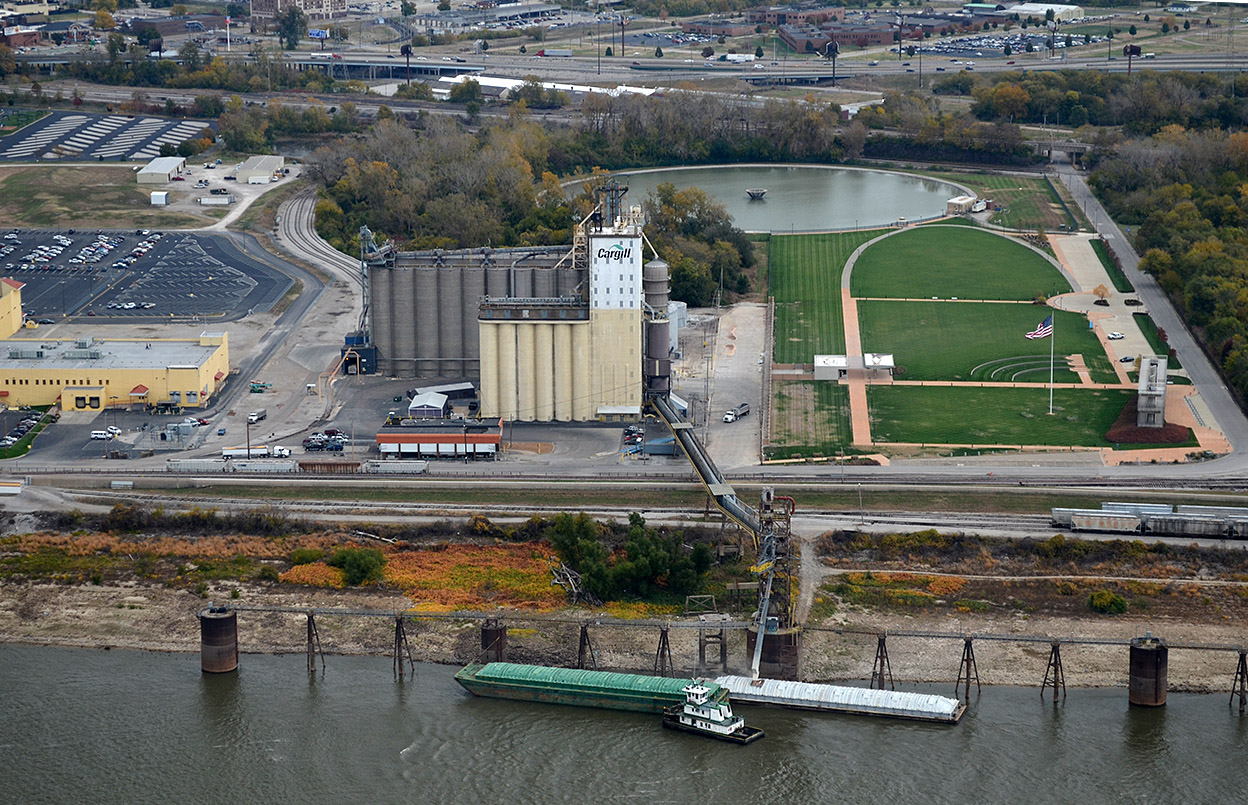
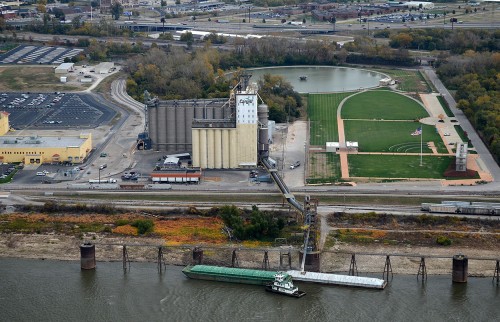 The round body of water is the Gateway Geyser, which shoots water as tall as the arch three times a day during the spring months. It is all part of the Malcolm W. Martin Memorial Park, which includes a 40-foot Mississippi River overlook. Malcolm Martin was the man who was instrumental in protecting the area from commercial development and as a green complement to the Jefferson National Expansion Memorial grounds across the river.
Project started in the 1940s
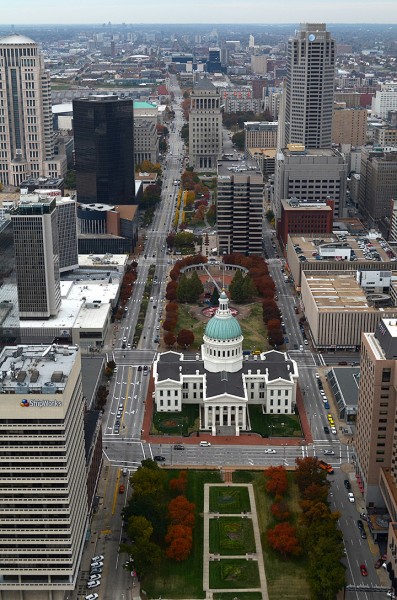 What I didn’t realize until this trip was how long the project had been in the works before the gleaming stainless steel structure was yanked out of the ground. It got its start in the 1930s, partially as an urban renewal project to get rid of scores of old buildings that cut off the view of the waterfront.
The Jefferson National Expansion Memorial was envisioned to occupy the 62-plus acres where the original French colonial town of St. Louis was founded. Architect Eero Saarinen won a 1947-1948 competition to design the site. His vision of an arch became the focal point of the memorial instead of just a point of interest. Construction of the arch started in February 1963; the north leg opened in July 1967, and the south in May 1968. That must mean that I really was one of the first visitors.
It was all about the river
 St. Louis became the gateway to the west because of its location near the intersection of the Missouri and Mississippi Rivers and being just upstream of the Ohio River in Cairo. Like Cape Girardeau, it’s still a river town at heart.
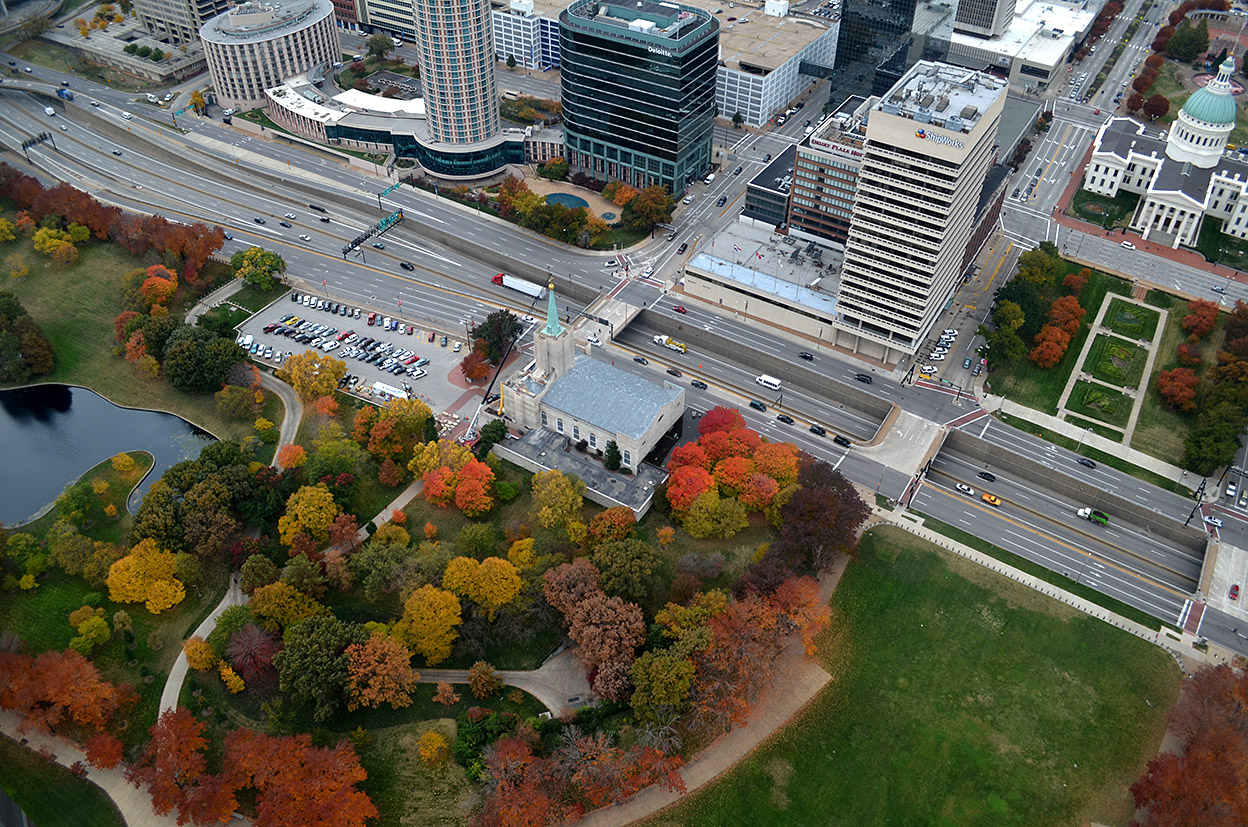
Basilica of Saint Louis
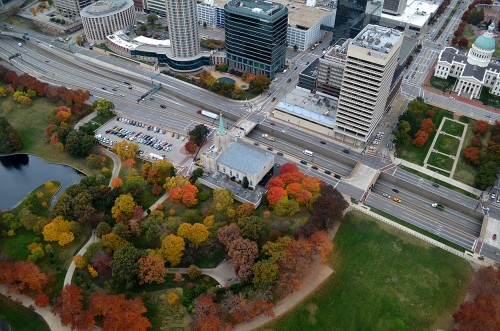 The Old Cathedral, the building with the colorful trees around it, was closed when we visited, so we couldn’t go in it.
[Editor’s note: I think this may be the last of the Curator Jessica stories from this trip. If you are wondering who she is, Jessica Cyders is curator of the Athens County (OH) Historical Society Museum. We became acquainted about a year ago when one of her interns stumbled across my collection of protest photos. I made a swing through Athens with Friend Jan at the end of January and we hit it off. Since then, I’ve done several exhibits and presentations at the museum and at Ohio University. She’s working on persuading me to donate my Ohio photos to the historical society when I go toes-up.
[She stared following this blog and listening to my many tales of growing up in Swampeast Missouri and decided to take a road trip with me to see if anything I told her was true. As you can tell from this account, every word that comes out of mouth or pen is absolutely gospel. (OK, maybe it’s gospel according to Ken.)]
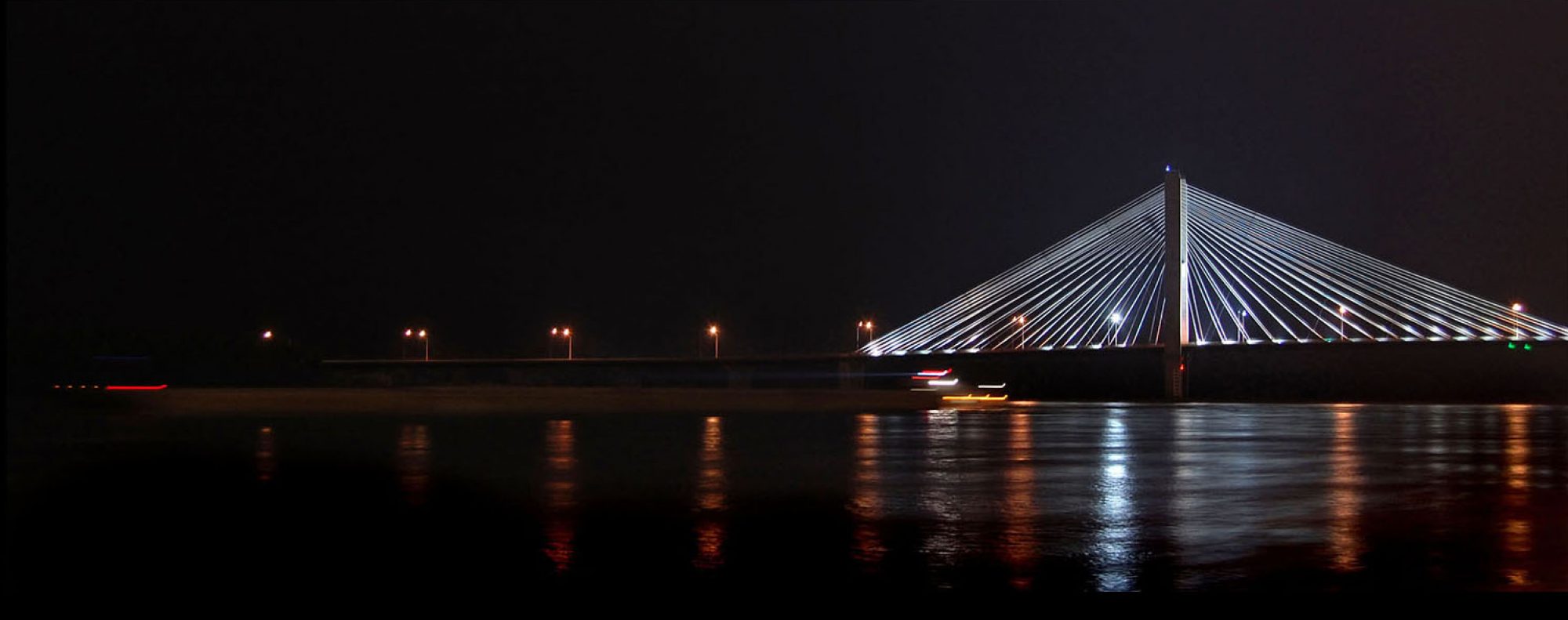
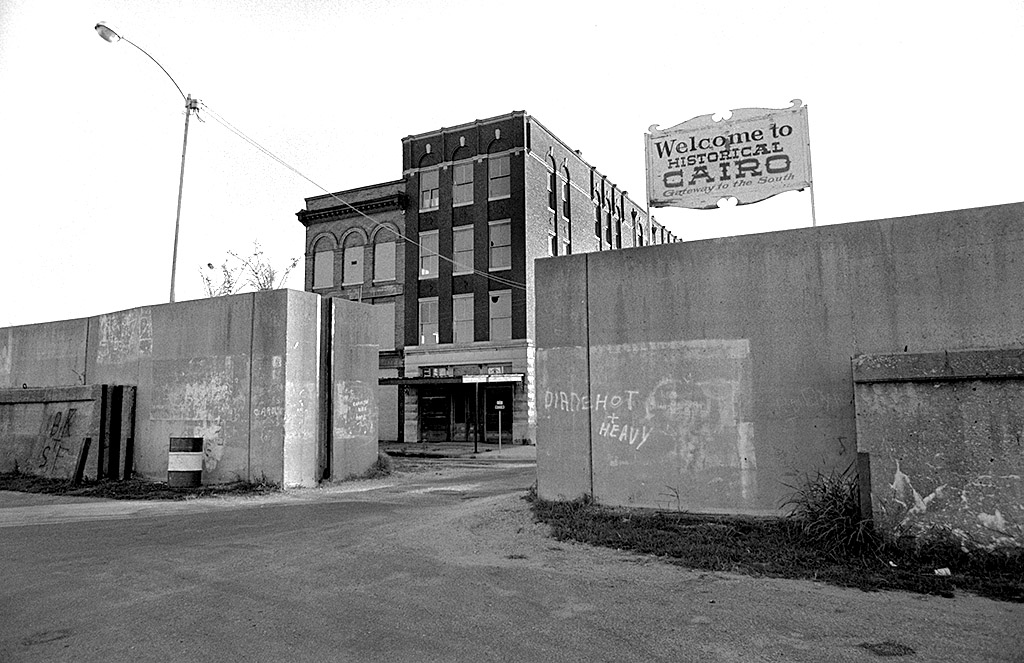 Cairo is a town of subtraction. I still take visitors there, but there is less and less to show them. It’s gotten so I hardly pull the camera out because there’s nothing but open ground where a vibrant downtown once flourished.
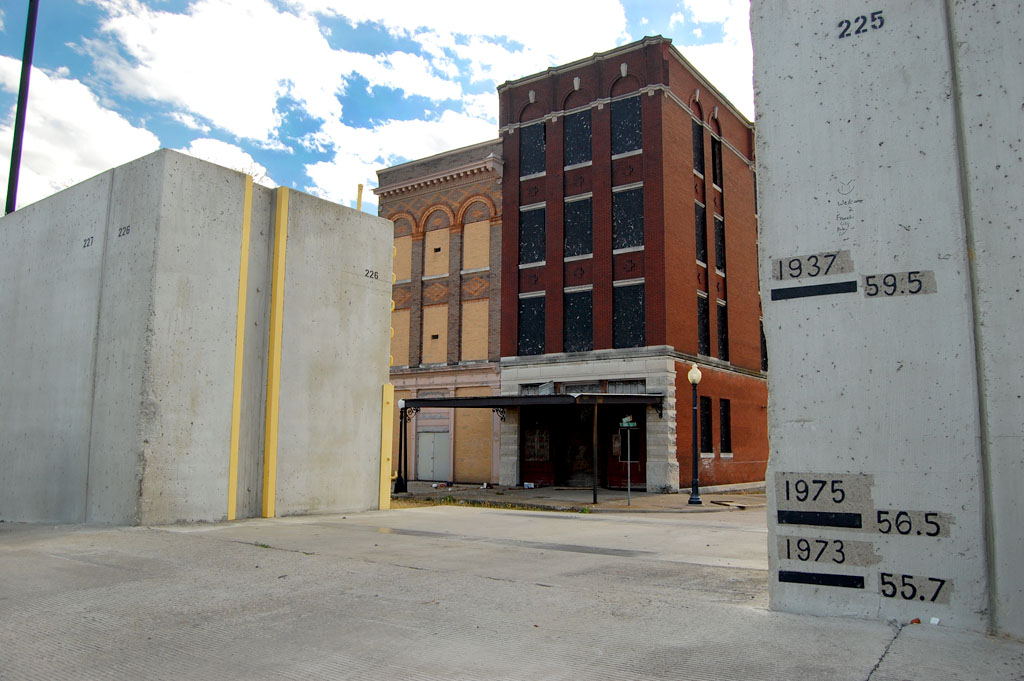 Except for being in color, the two photos are pretty much the same. This one was taken October 26, 2010.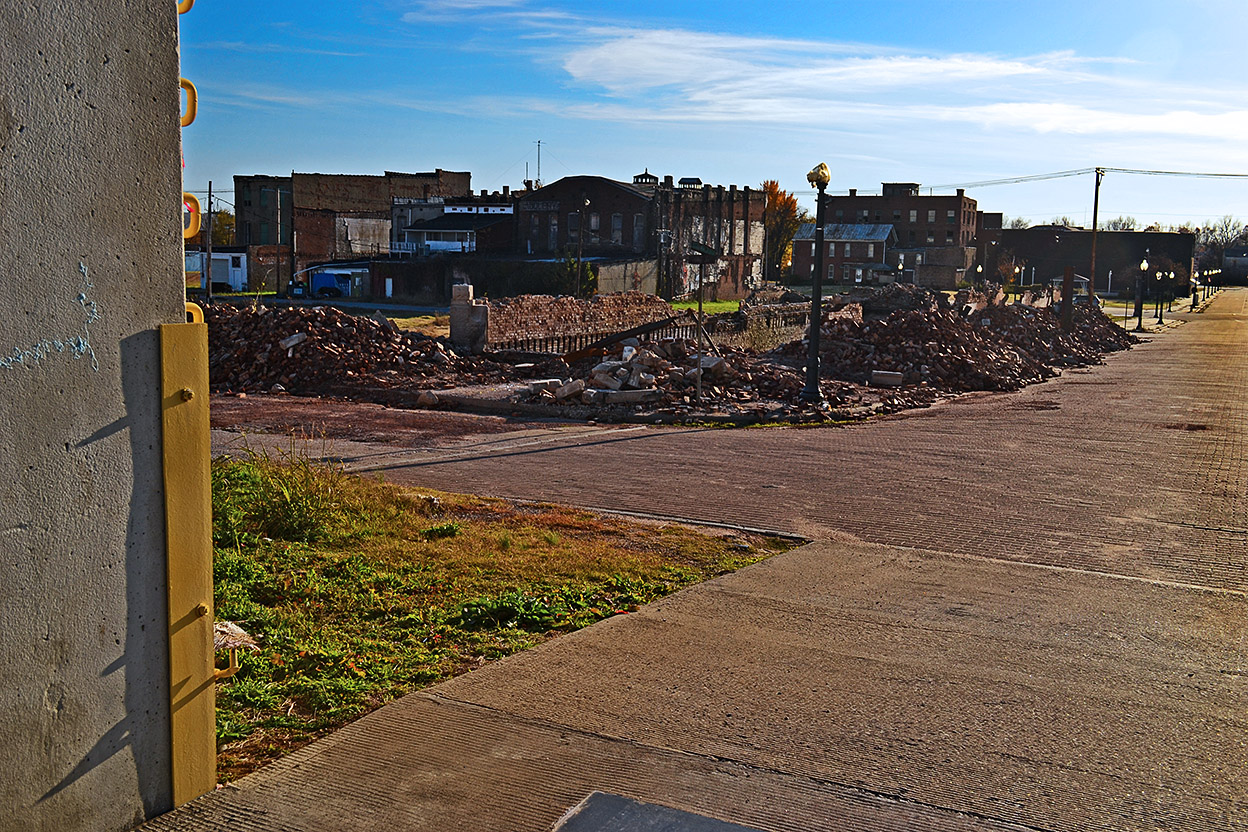
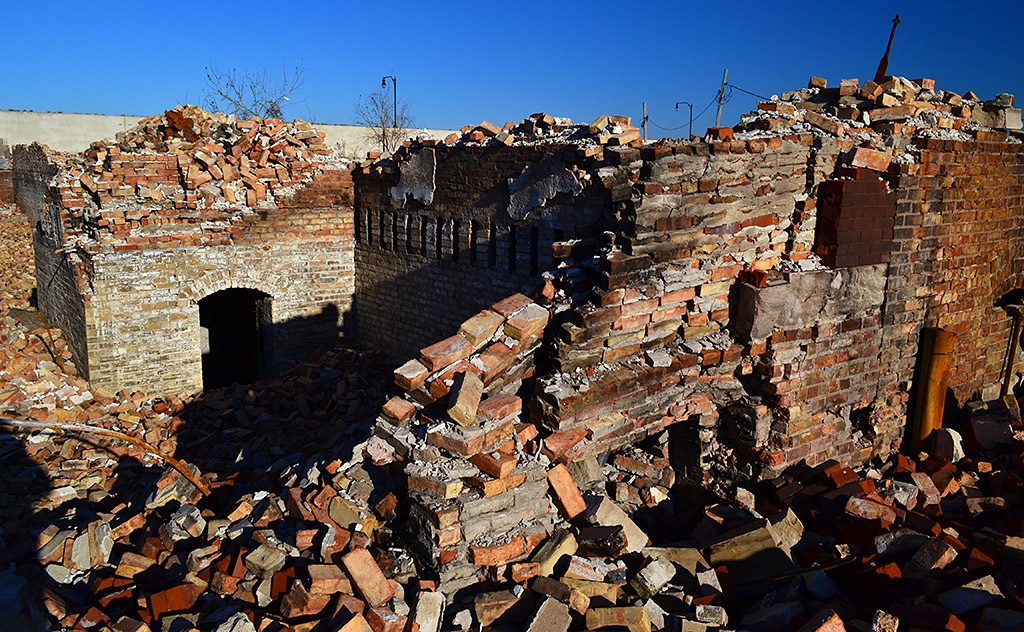 When the fire was over, nothing much was left except a pile of bricks and some columns.